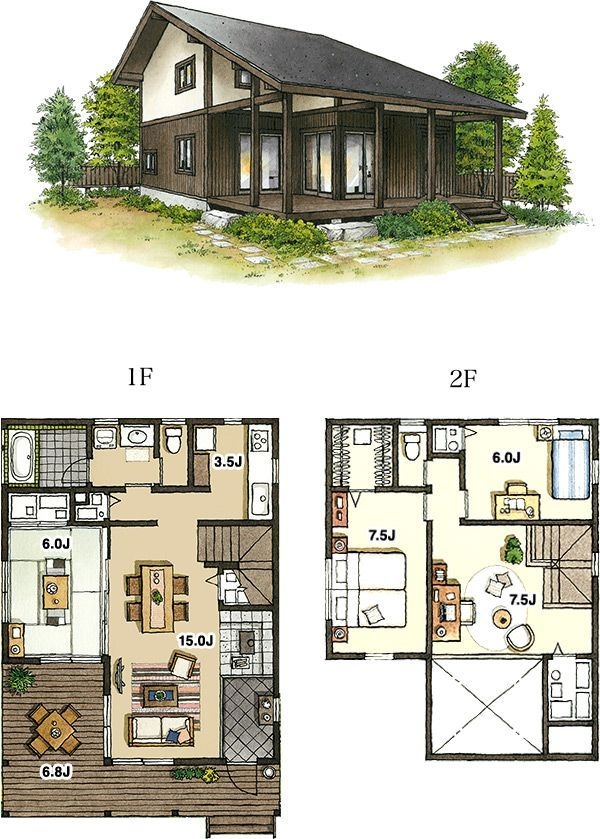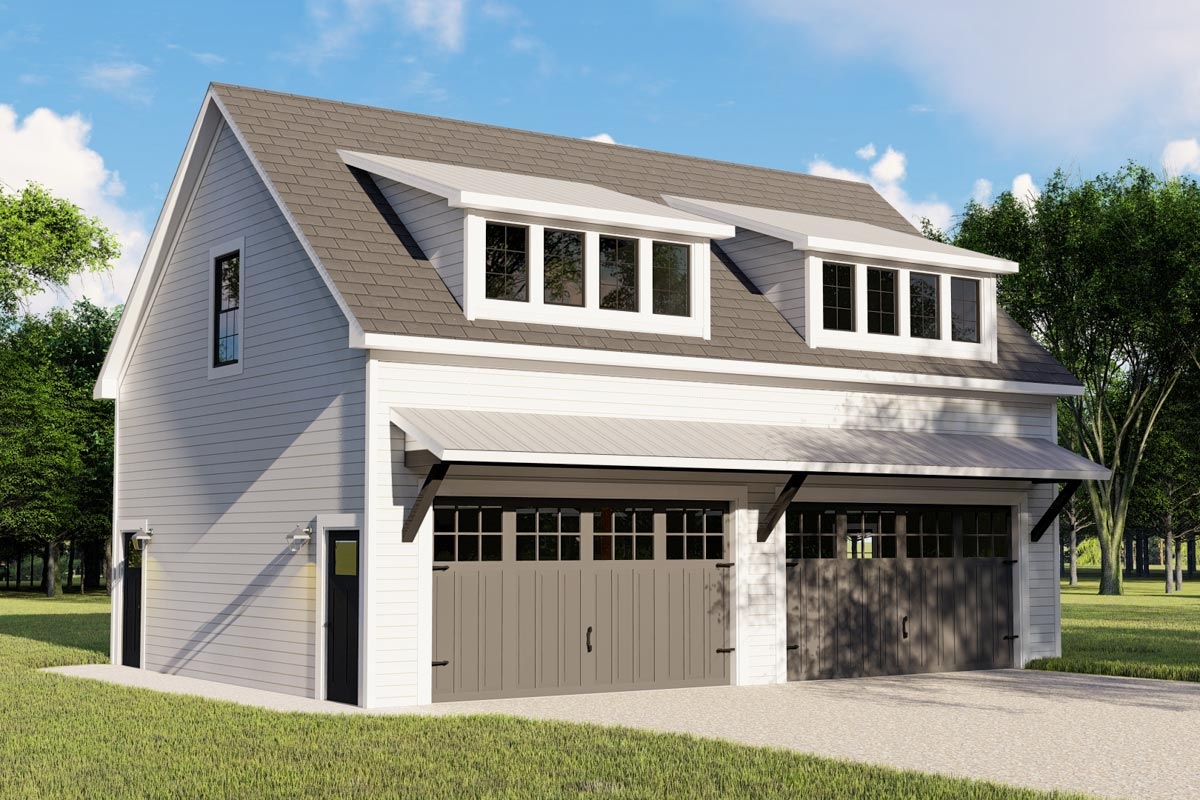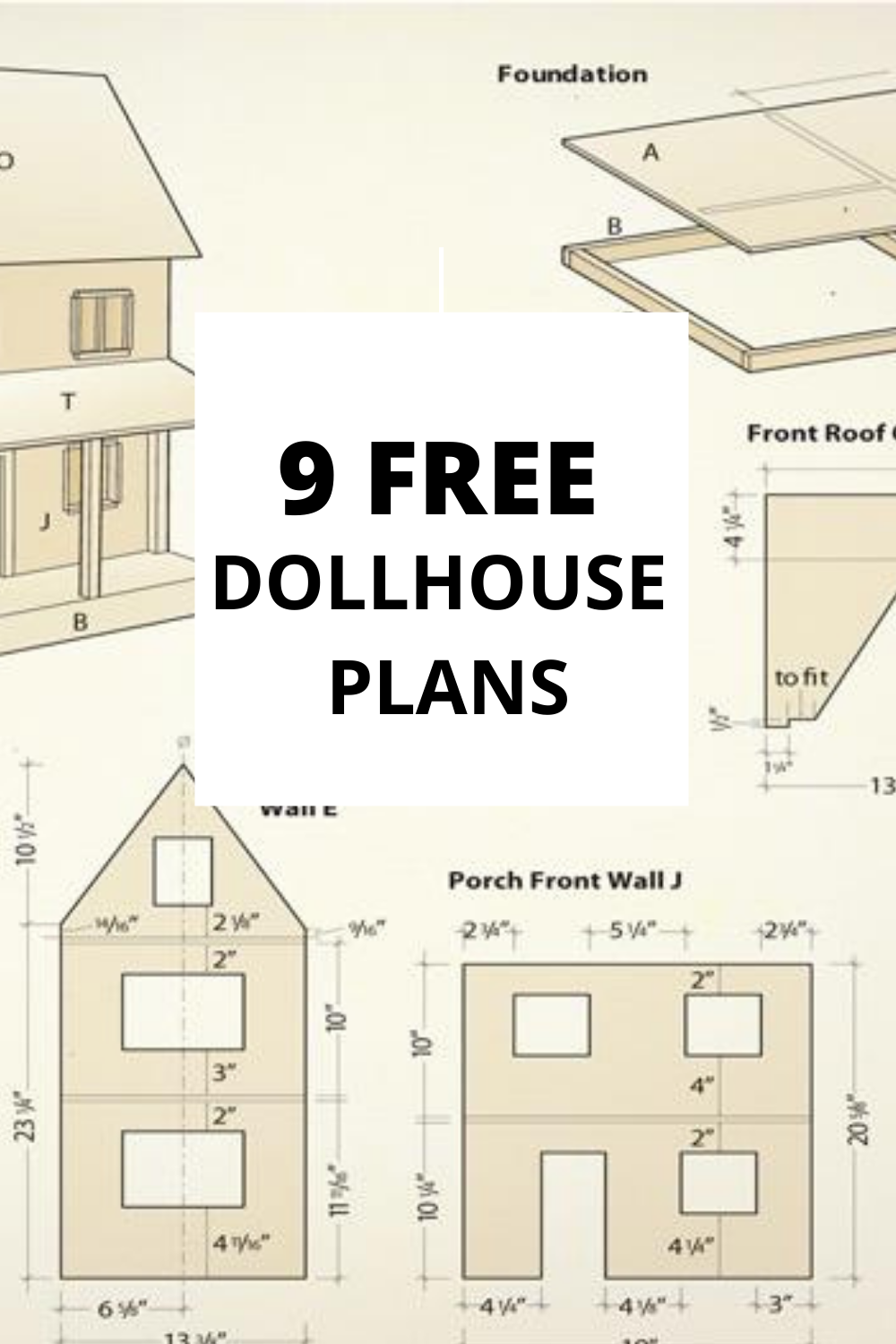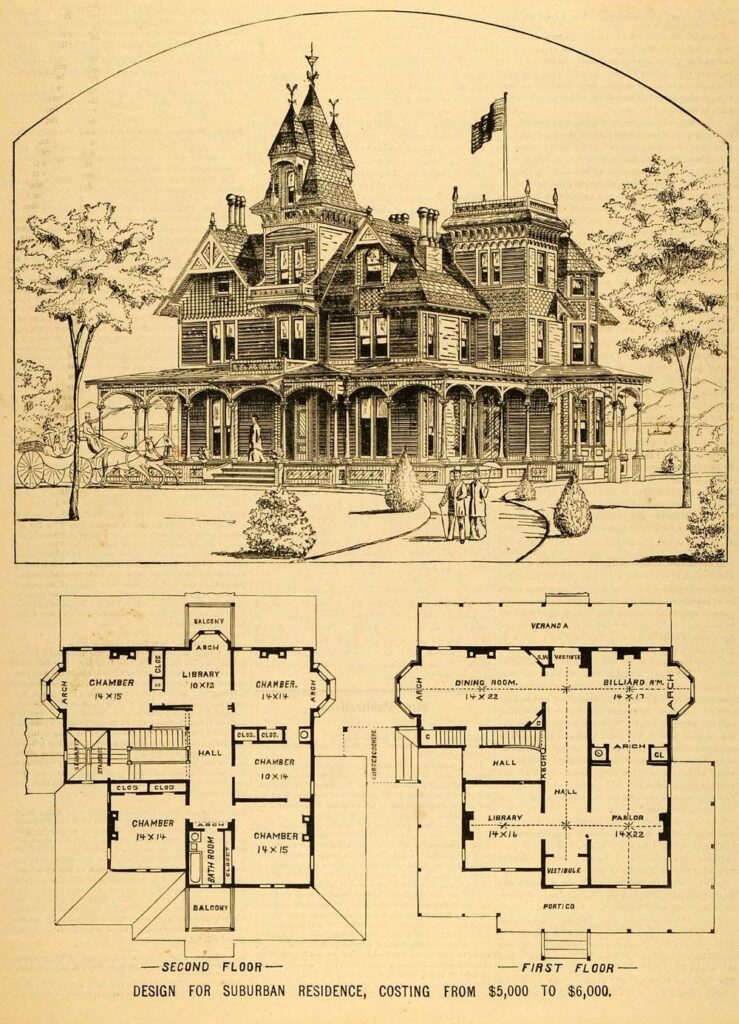
Historic house floor plans offer a fascinating look into the architectural styles and design trends of bygone eras. These blueprints provide a glimpse into the past, showcasing the intricate details and craftsmanship that went into creating these timeless homes. Whether you are a history buff, an architecture enthusiast, or simply appreciate the beauty of vintage design, exploring historic house floor plans can be a rewarding experience.
Knowledge
When diving into the world of historic house floor plans, it’s essential to understand the different architectural styles that have shaped the landscape of residential design throughout history. From Victorian and Colonial to Craftsman and Mid-Century Modern, each era has its unique characteristics that are reflected in the floor plans of the homes built during that time.
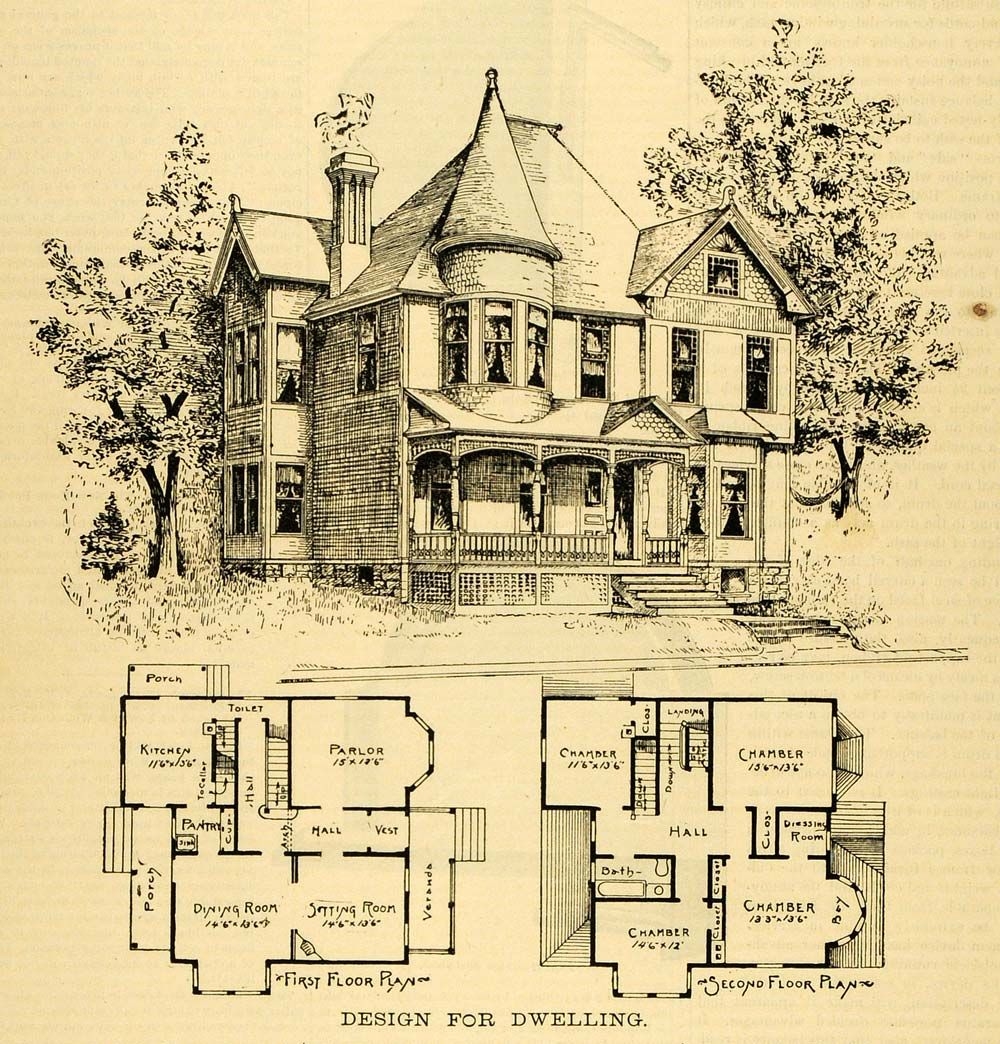
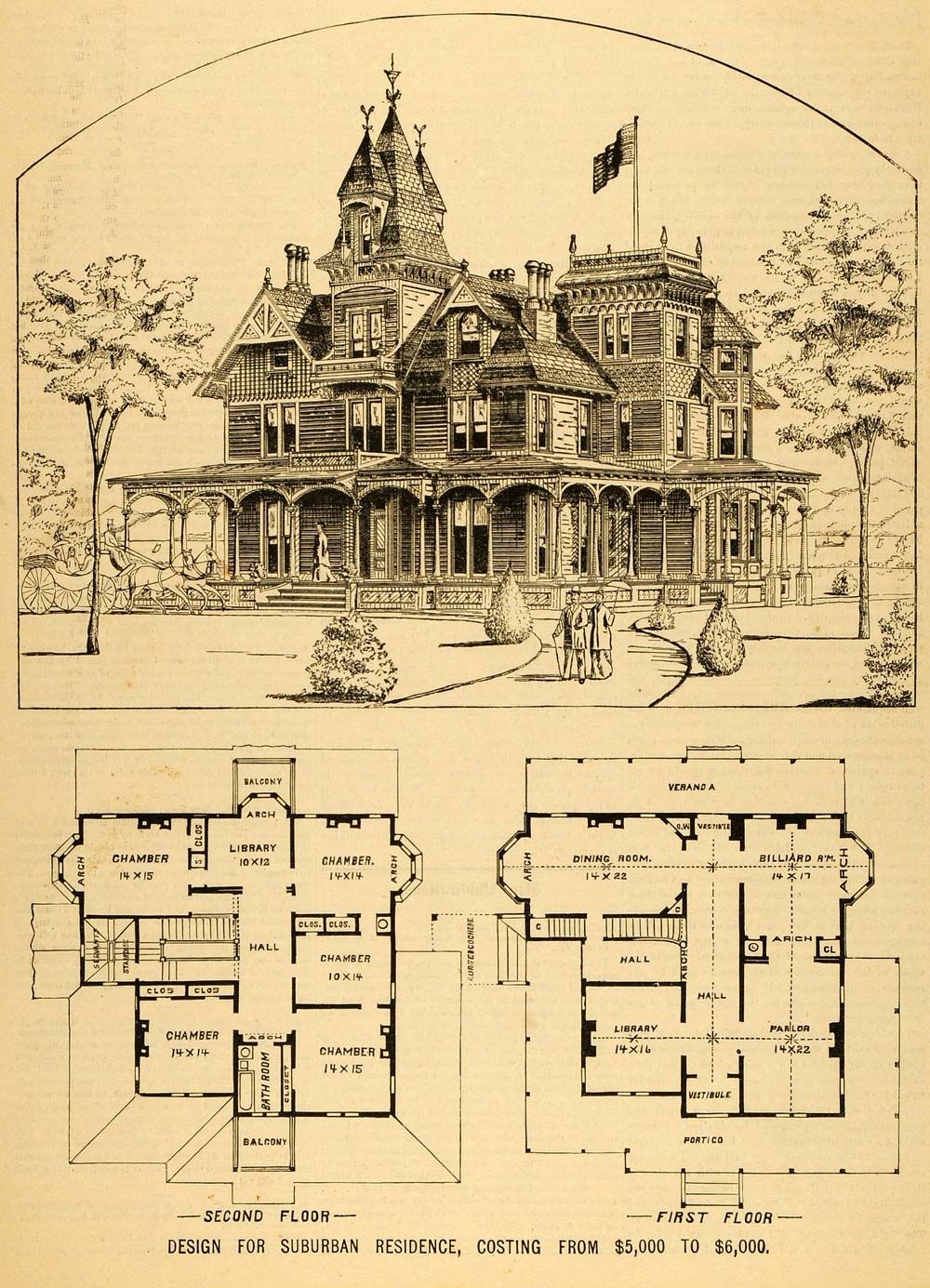
Victorian house floor plans, for example, are known for their ornate detailing, steep gabled roofs, and asymmetrical facades. These homes often feature multiple stories, wrap-around porches, and intricate woodwork that showcase the craftsmanship of the era. On the other hand, Colonial house floor plans are characterized by their symmetrical design, formal layouts, and classic columns that exude a sense of timeless elegance.
Craftsman house floor plans emphasize simplicity, natural materials, and handcrafted details. These homes typically feature open floor plans, exposed beams, and built-in cabinetry that reflect the Arts and Crafts movement of the early 20th century. Meanwhile, Mid-Century Modern house floor plans showcase clean lines, open spaces, and large windows that blur the lines between indoor and outdoor living.
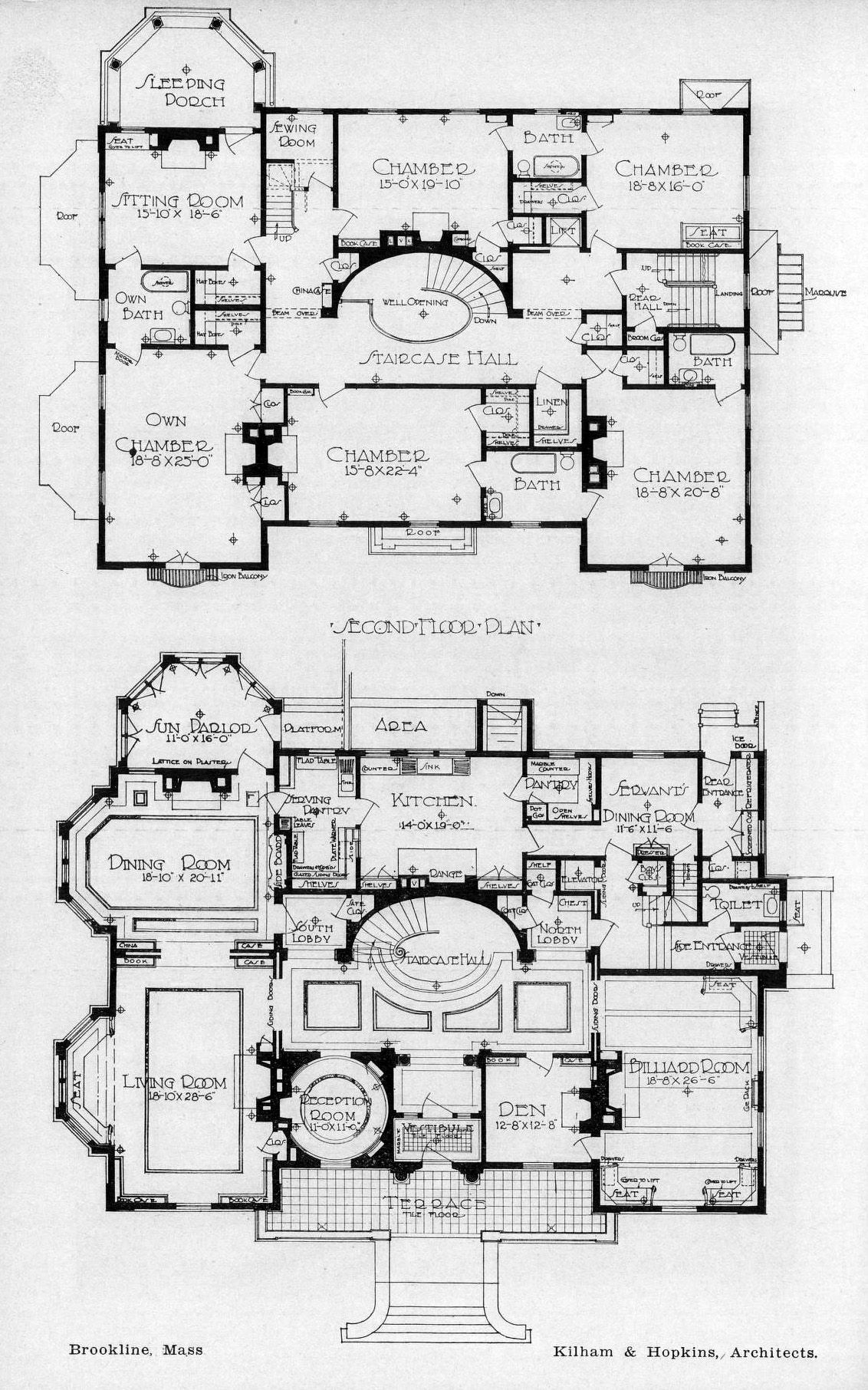
By studying historic house floor plans, you can gain valuable insights into the evolution of residential architecture and design principles. Each style tells a unique story about the cultural influences, technological advancements, and societal values of the time, providing a rich tapestry of history to explore.
How to download and save it
When it comes to accessing historic house floor plans, there are several resources available online that offer a wealth of information and inspiration. Websites such as Historic House Plans, Architectural Designs, and The Plan Collection feature a vast collection of vintage blueprints that you can browse, download, and save for future reference.
Many of these websites offer both free and premium plans, allowing you to choose the option that best suits your needs and budget. Whether you are looking to replicate a specific historical design or simply draw inspiration from the past, these resources make it easy to access a wide range of floor plans from various eras and architectural styles.
Conclusion
Historic house floor plans are a treasure trove of design inspiration and historical significance. Their timeless appeal and attention to detail continue to captivate enthusiasts and homeowners alike, offering a unique window into the past.
For those interested in preserving the architectural heritage of bygone eras or simply seeking to infuse their modern homes with a touch of vintage charm, historic house floor plans provide a valuable resource for inspiration and creativity. Whether you are a history buff, an architecture enthusiast, or someone who appreciates the beauty of classic design, exploring these blueprints can offer a rewarding journey through time.