The Eames House Plan is a stunning example of modern architecture that continues to captivate design enthusiasts and architects alike. This article will delve into the details of this iconic structure, covering everything you need to know about its history, design, and significance in the world of architecture.
Knowledge
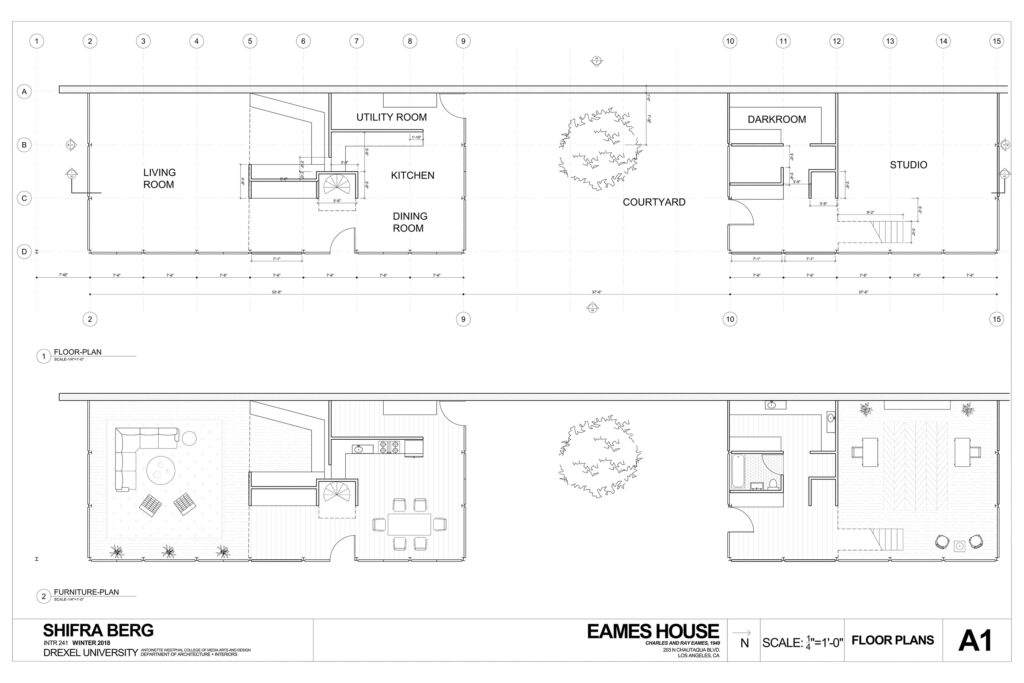
The Eames House Plan, also known as Case Study House #8, was designed by the legendary husband-and-wife duo Charles and Ray Eames in 1949 as part of the Case Study House Program. This program aimed to create affordable and innovative housing solutions for post-World War II America.
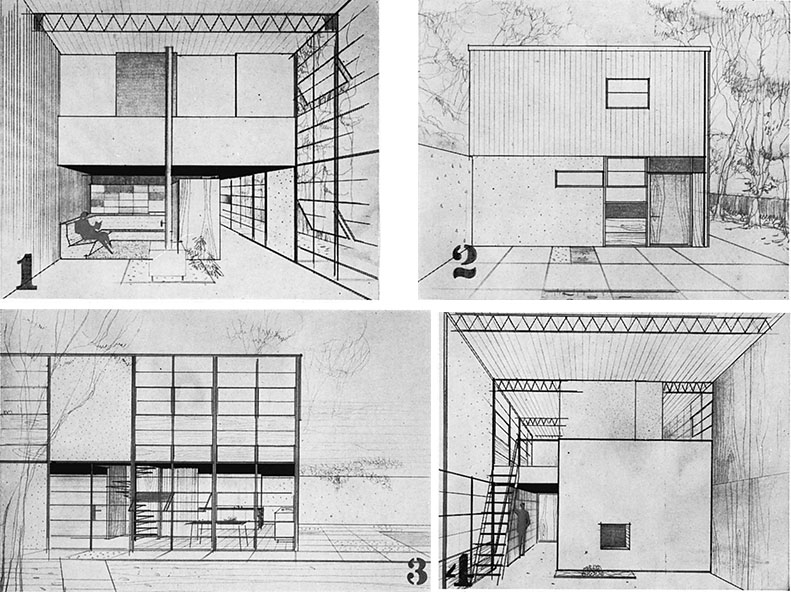
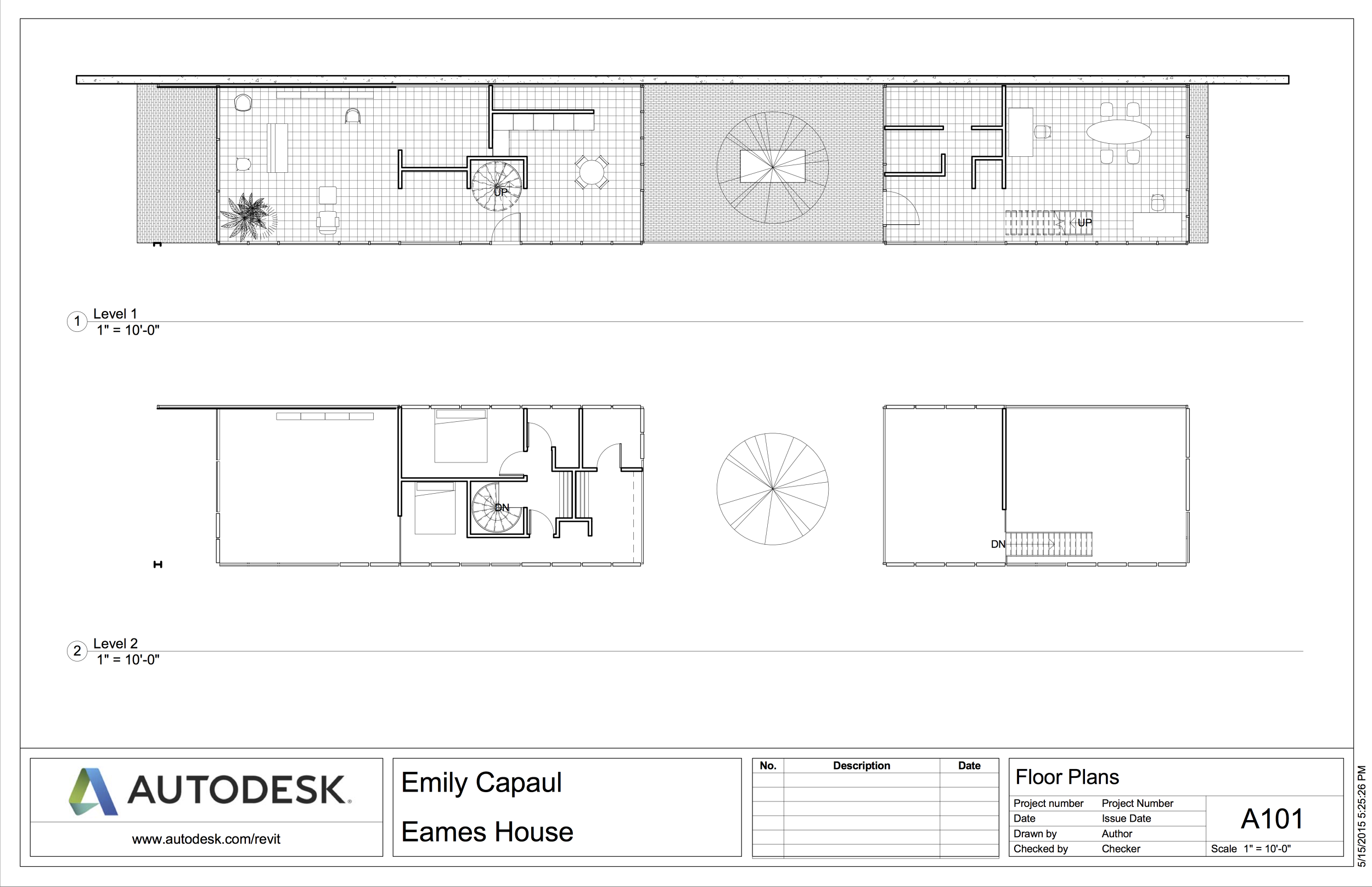
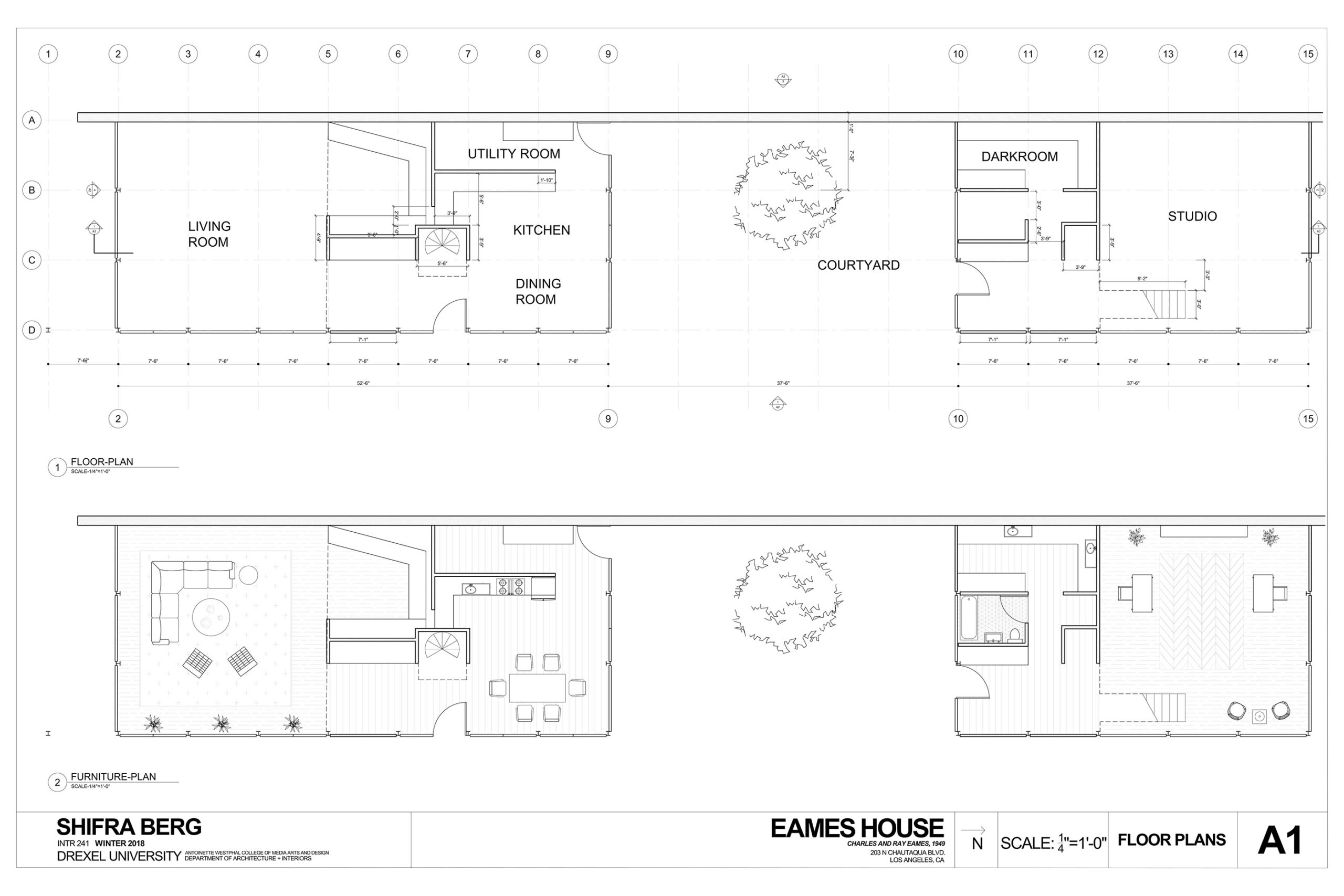
The Eames House Plan consists of two rectangular volumes connected by a courtyard, with floor-to-ceiling glass walls that blur the boundaries between indoor and outdoor spaces. The use of industrial materials such as steel and glass, combined with warm wooden accents, creates a harmonious blend of modernist and natural elements.
One of the most distinctive features of the Eames House Plan is its use of prefabricated steel frames, which allowed for efficient construction and flexibility in design. The house is a testament to the Eames’ commitment to experimentation and creativity, as well as their belief in the power of design to improve everyday life.
Throughout the years, the Eames House has served as a source of inspiration for architects and designers around the world. Its timeless design and innovative use of materials continue to influence contemporary architecture and interior design trends.
How to download and save it
Conclusion
In conclusion, the Eames House Plan stands as a testament to the visionary design principles of Charles and Ray Eames. Its innovative use of materials, seamless integration of indoor and outdoor spaces, and timeless aesthetic appeal make it a true architectural masterpiece.
The target audience for the Eames House Plan includes architecture enthusiasts, design professionals, and anyone with an appreciation for modernist design. Its enduring popularity and influence in the world of architecture make it a must-see for anyone interested in the evolution of design.
Final thoughts: The Eames House Plan represents a pivotal moment in architectural history, showcasing the power of design to shape our built environment and enrich our lives. Its legacy continues to inspire new generations of designers and serves as a reminder of the endless possibilities of creative thinking.