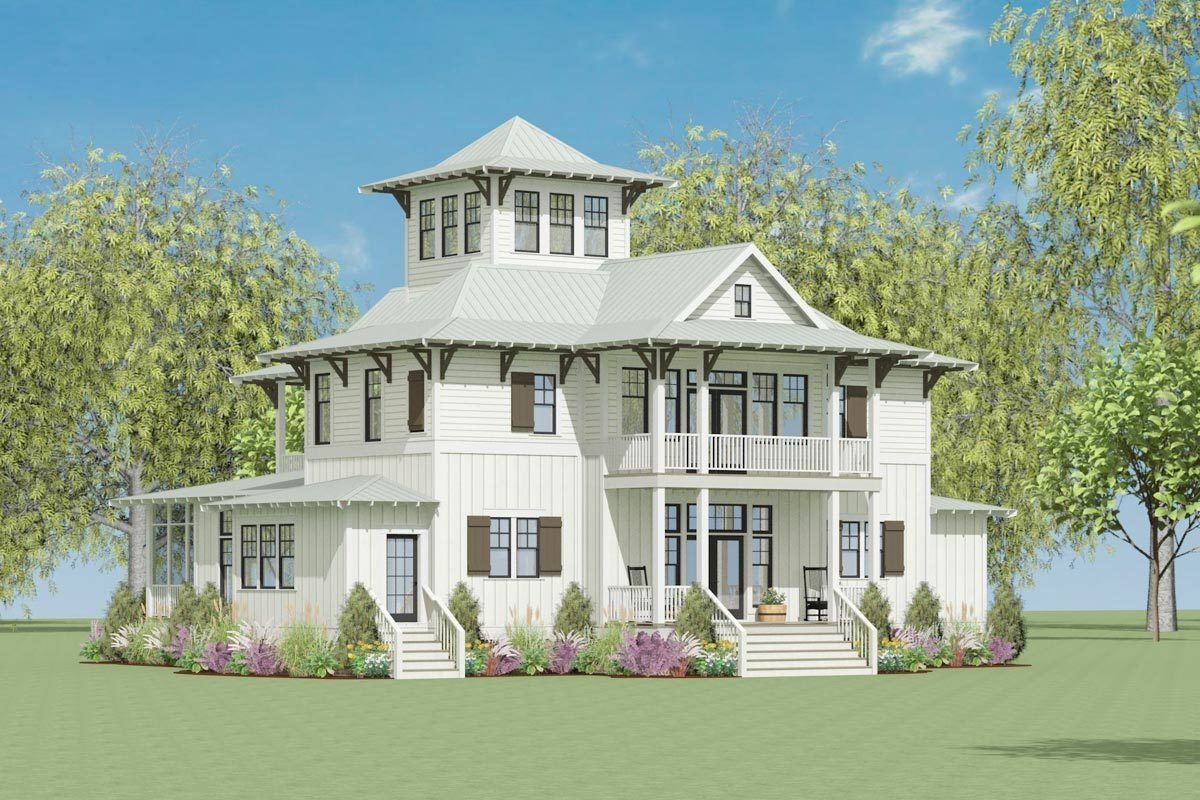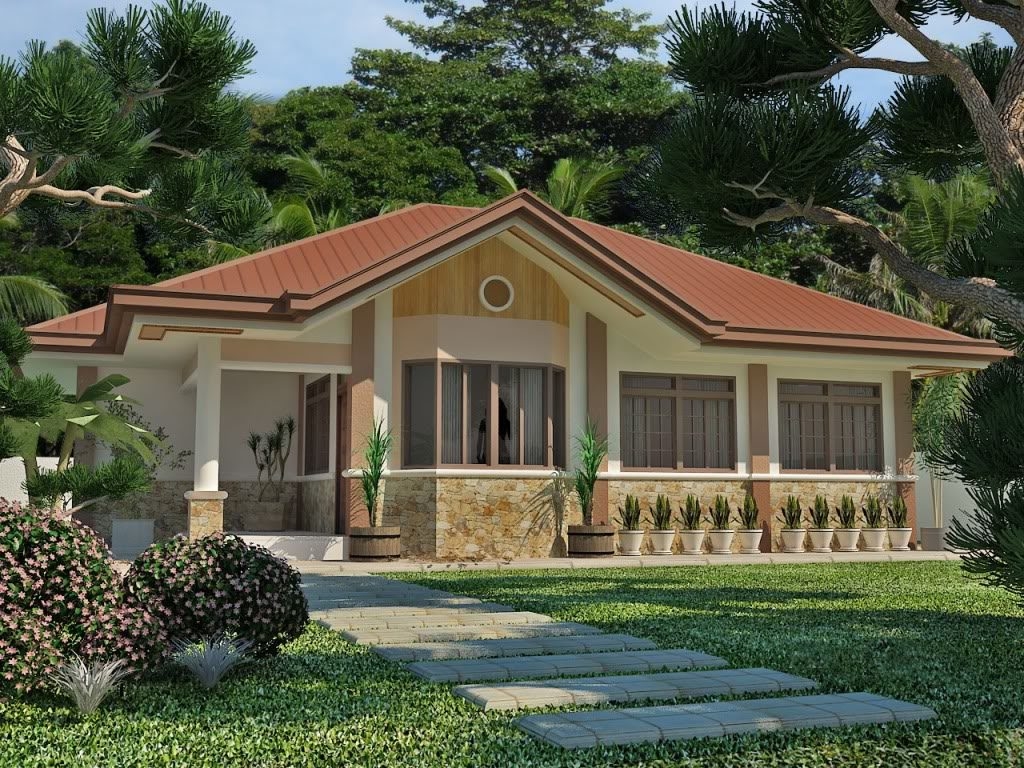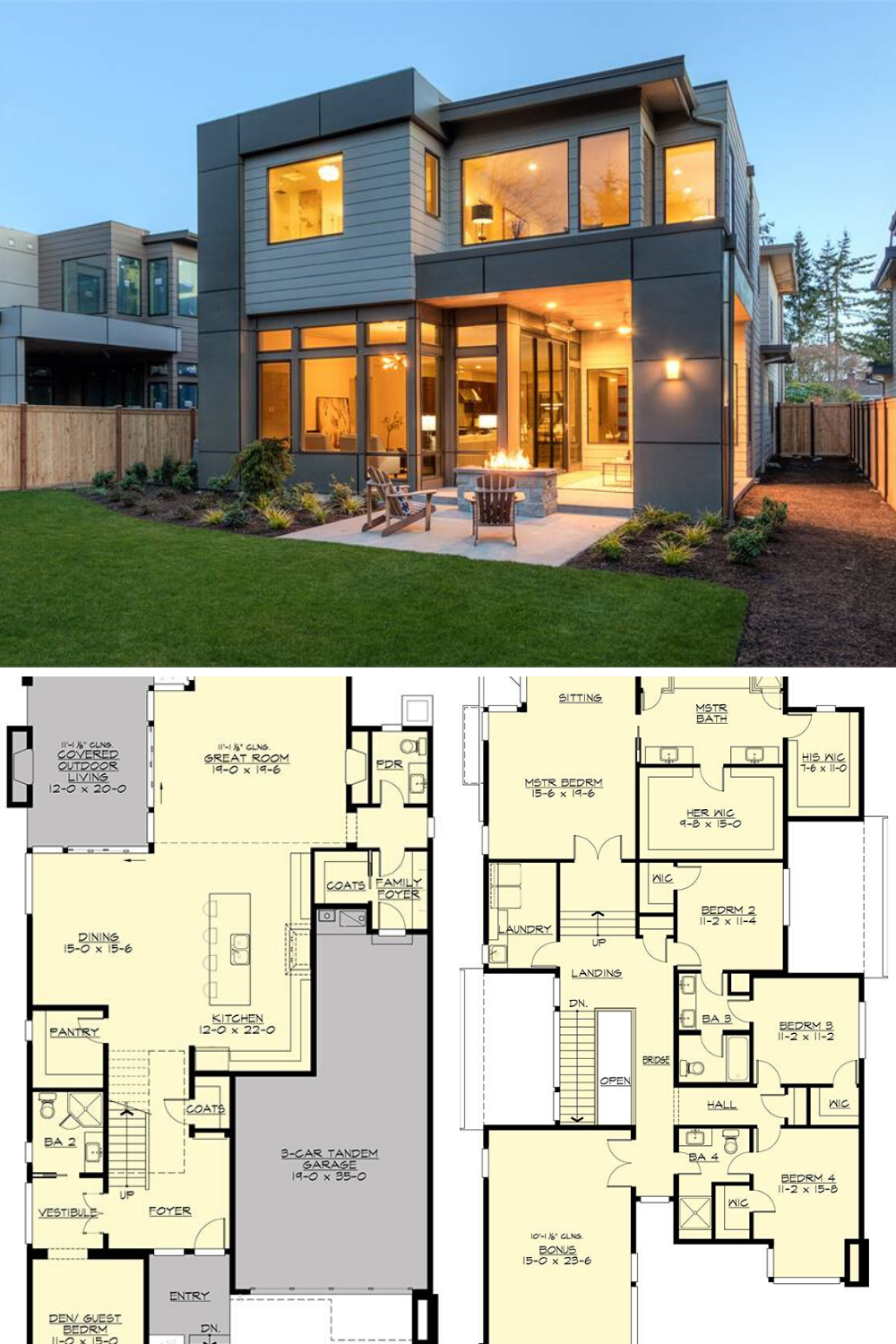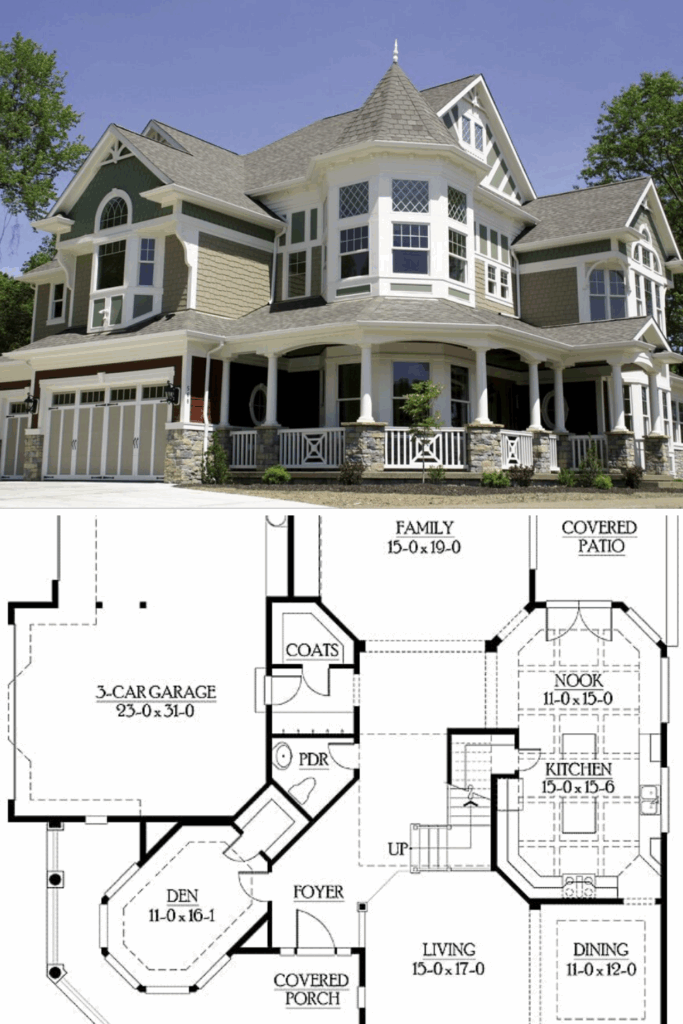
If you appreciate the charm and elegance of historical architecture, Victorian style house plans are sure to catch your eye. These exquisite homes are known for their intricate details, asymmetrical shapes, and ornate decorations that exude a sense of grandeur and sophistication. In this article, we will delve into the world of Victorian style house plans, exploring their unique features, the history behind their design, and how you can incorporate this timeless style into your own home.
Knowledge
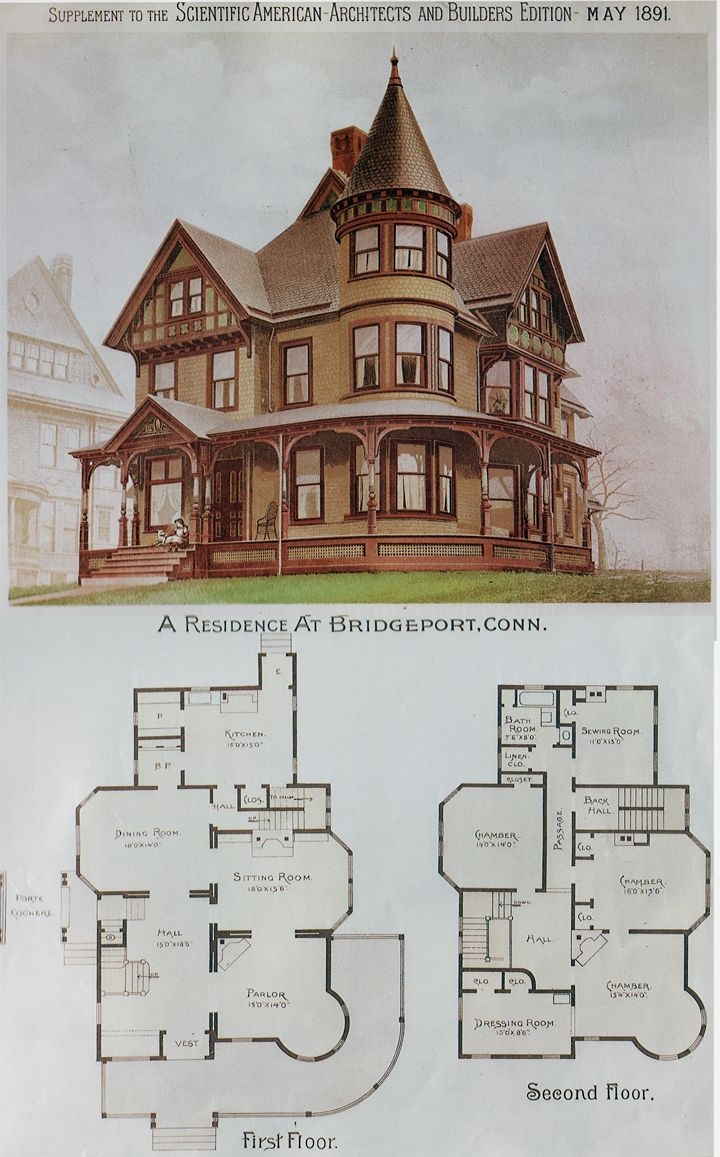
Victorian style house plans originated during the reign of Queen Victoria in the 19th century, a period known for its prosperity and industrial advancements. These homes often feature steeply pitched roofs, decorative trim, vibrant colors, and elaborate ornamentation, reflecting the eclectic tastes of the era. The interior of a Victorian home typically includes high ceilings, multiple fireplaces, stained glass windows, and intricate woodwork, creating a sense of opulence and luxury.
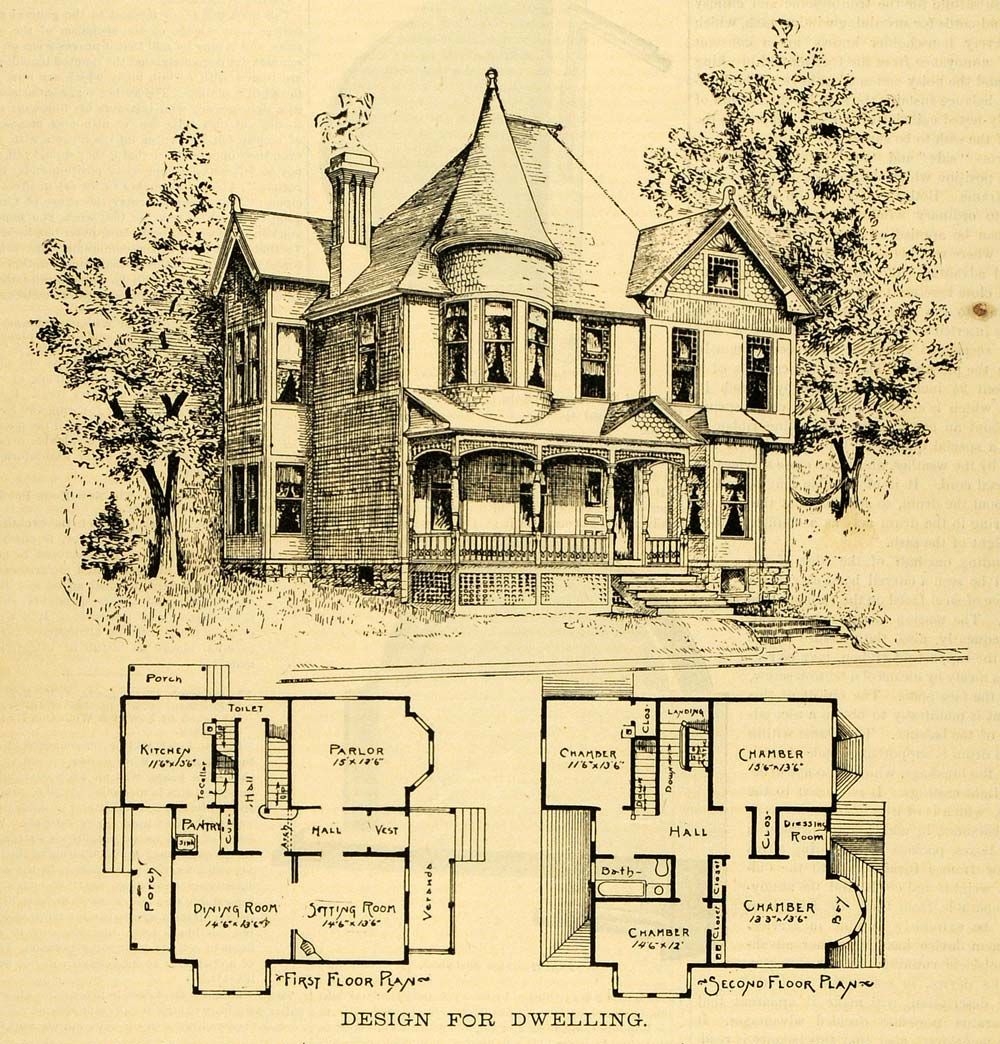
When choosing Victorian style house plans, it’s essential to consider the different subtypes within this architectural style. Some popular variations include Italianate, Gothic Revival, Queen Anne, and Second Empire, each with its unique characteristics and design elements. Whether you prefer the romanticism of a turret or the intricacy of a gingerbread trim, Victorian style house plans offer a wide range of options to suit your preferences.
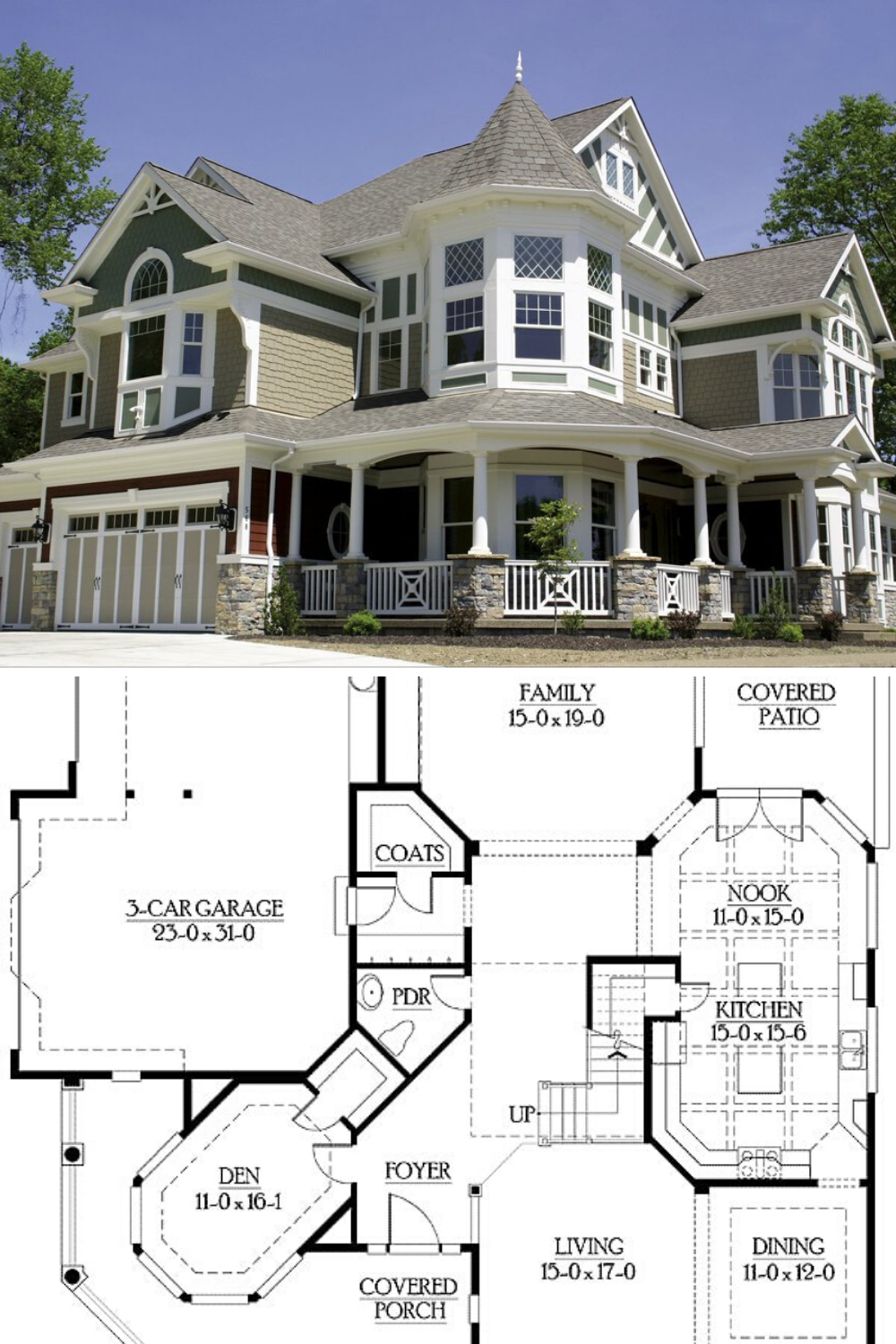
One of the key features of Victorian style house plans is their attention to detail, both inside and out. From the carefully crafted exterior facades to the elaborate interior moldings, every aspect of a Victorian home is designed to impress. These homes often include wrap-around porches, decorative gables, and bay windows, creating a picturesque and inviting atmosphere that is perfect for entertaining guests or simply relaxing with your family.
How to download and save it
When it comes to incorporating Victorian style house plans into your own home, there are several factors to consider. Begin by selecting a design that fits your lifestyle and preferences, whether you prefer a small cottage or a sprawling estate. Next, work with a qualified architect or designer to customize the plan to meet your specific needs, ensuring that the final result reflects your personal style and taste.
Once you have chosen a Victorian style house plan, it’s essential to consider the construction process carefully. Victorian homes often require skilled craftsmanship and attention to detail to recreate the intricate designs and ornate features of the original style. Be sure to work with experienced builders and contractors who have experience working with historical architecture to ensure that your home is constructed to the highest standards.
Conclusion
In conclusion, Victorian style house plans offer a timeless appeal that is sure to captivate anyone with a love for historical architecture and elegant design. Whether you are drawn to the intricate details of a Queen Anne home or the grandeur of a Second Empire mansion, Victorian style house plans provide a wide range of options to suit your tastes. With their rich history, ornate decorations, and luxurious amenities, Victorian homes are a testament to the opulence and sophistication of a bygone era.
For those looking to create a unique and stylish home that stands out from the rest, Victorian style house plans are an excellent choice. Their intricate designs, elaborate details, and timeless charm make them a popular option for homeowners who appreciate the beauty of historical architecture. By incorporating Victorian style house plans into your own home, you can create a living space that is both elegant and inviting, reflecting your personal style and taste.