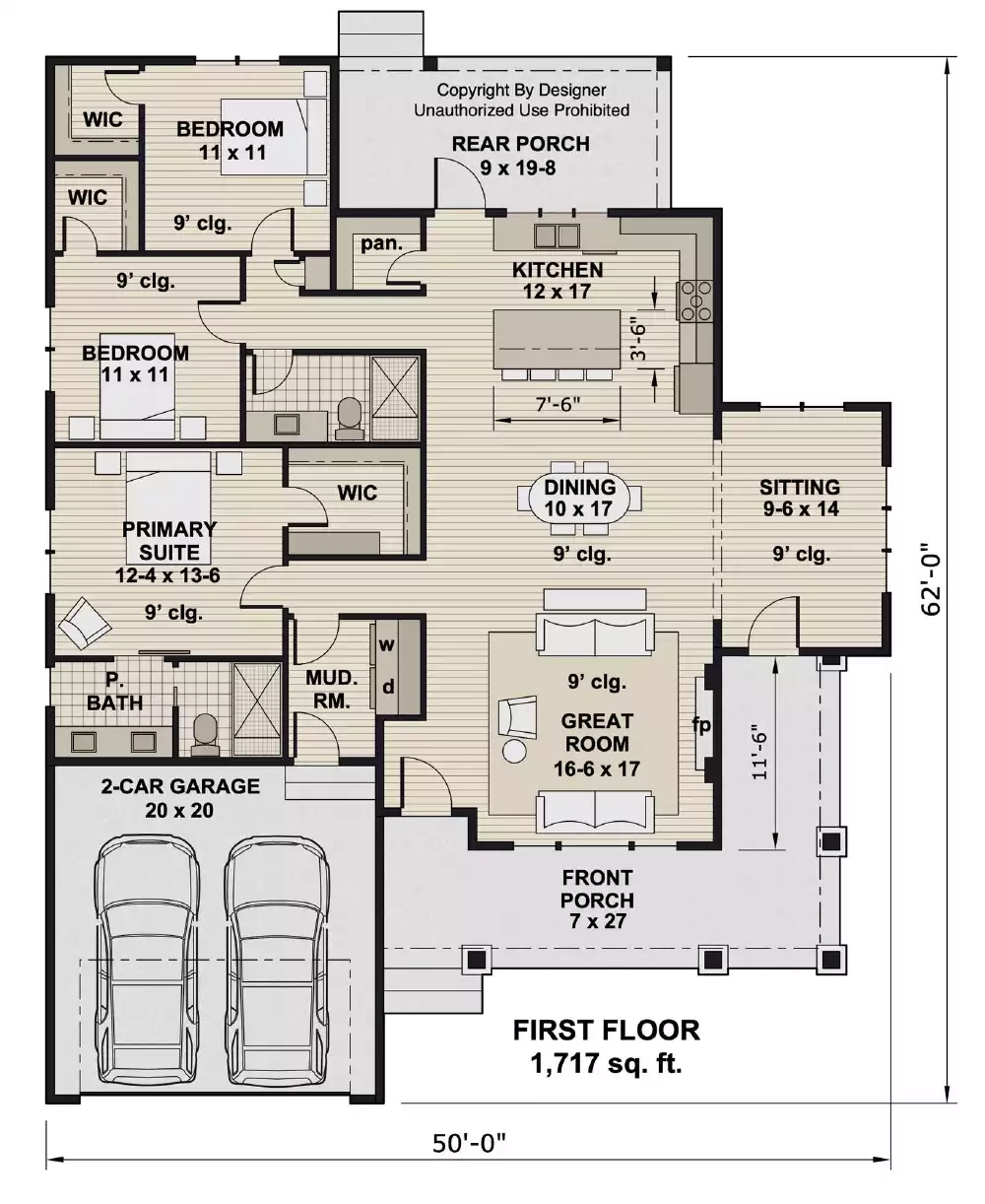
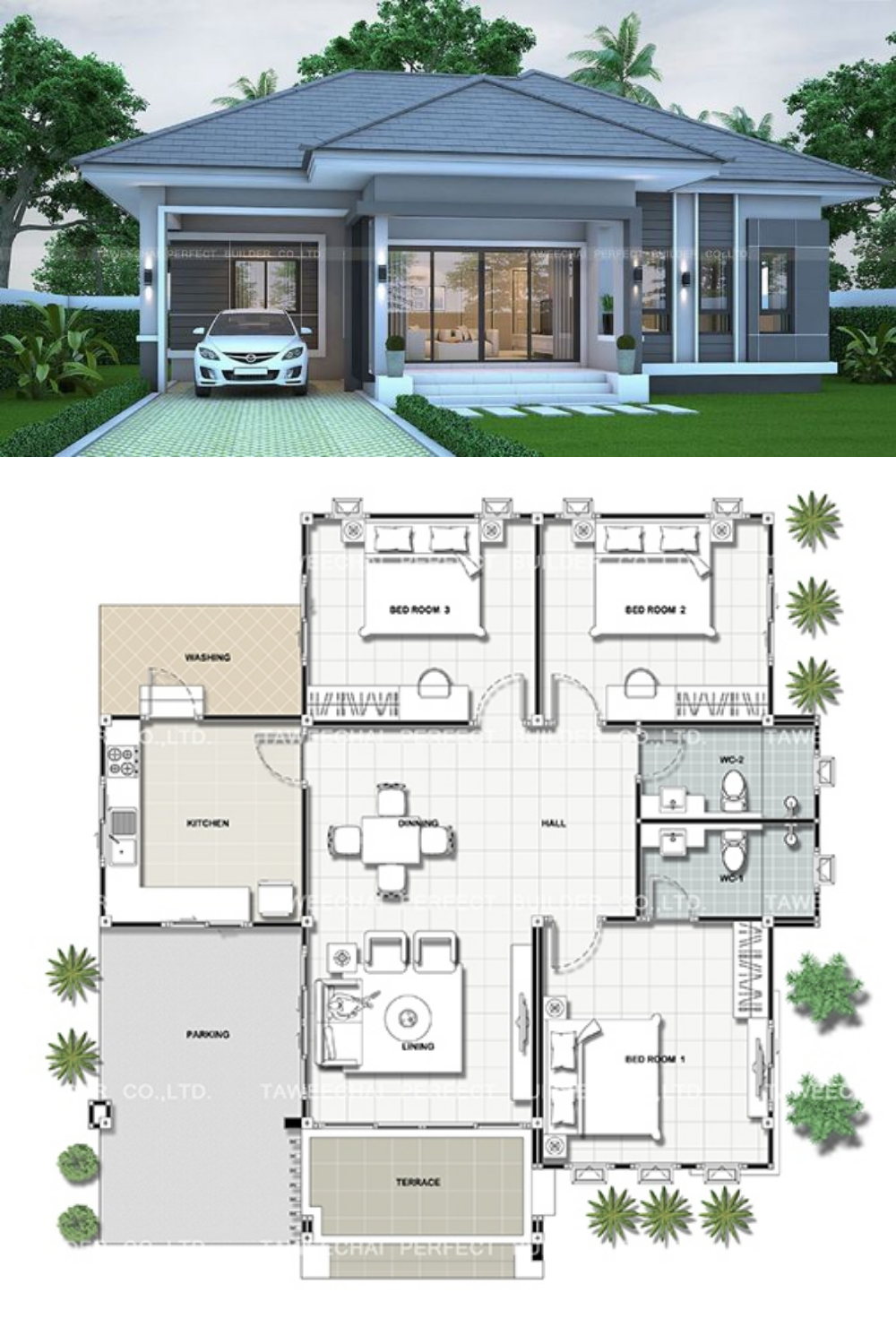
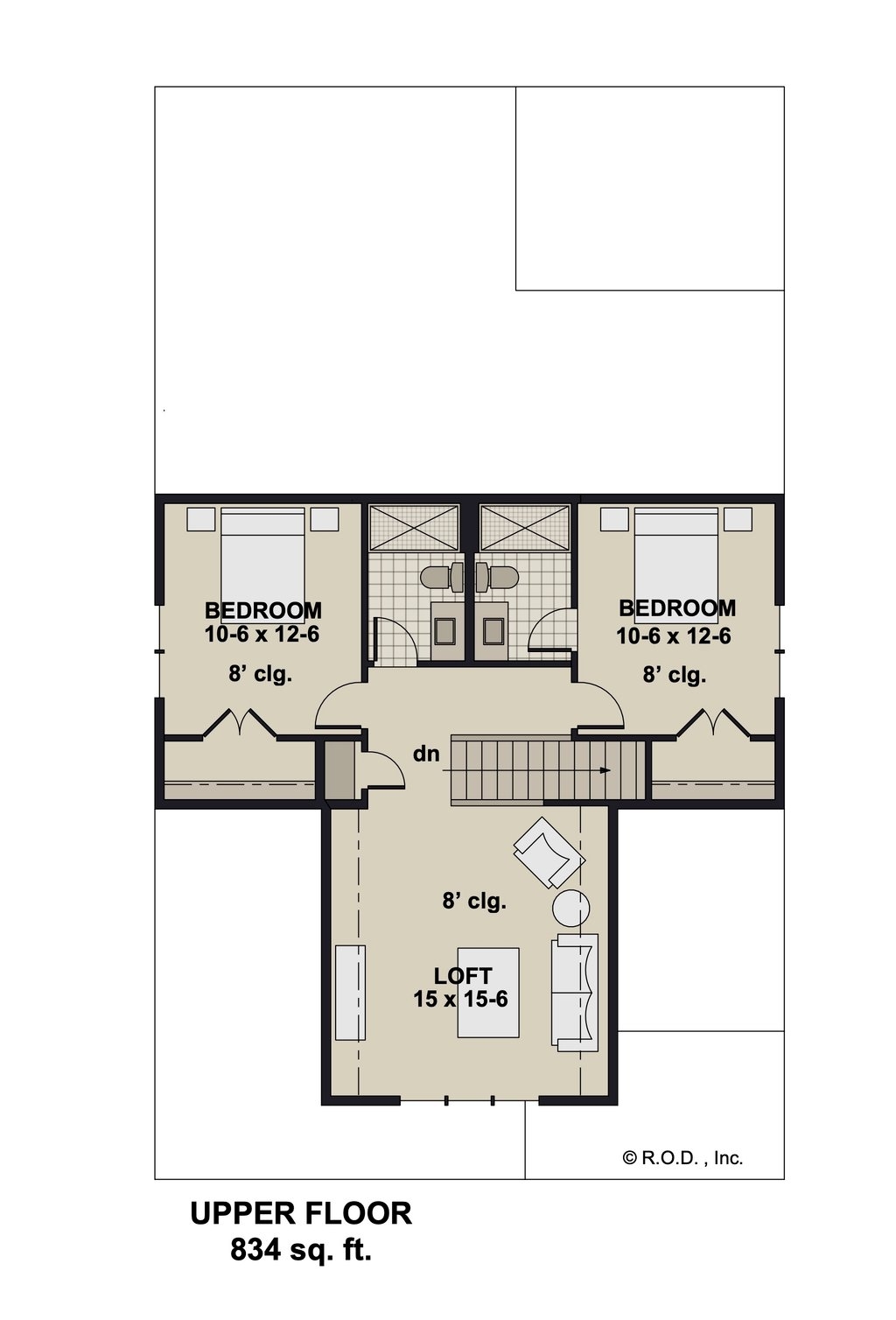
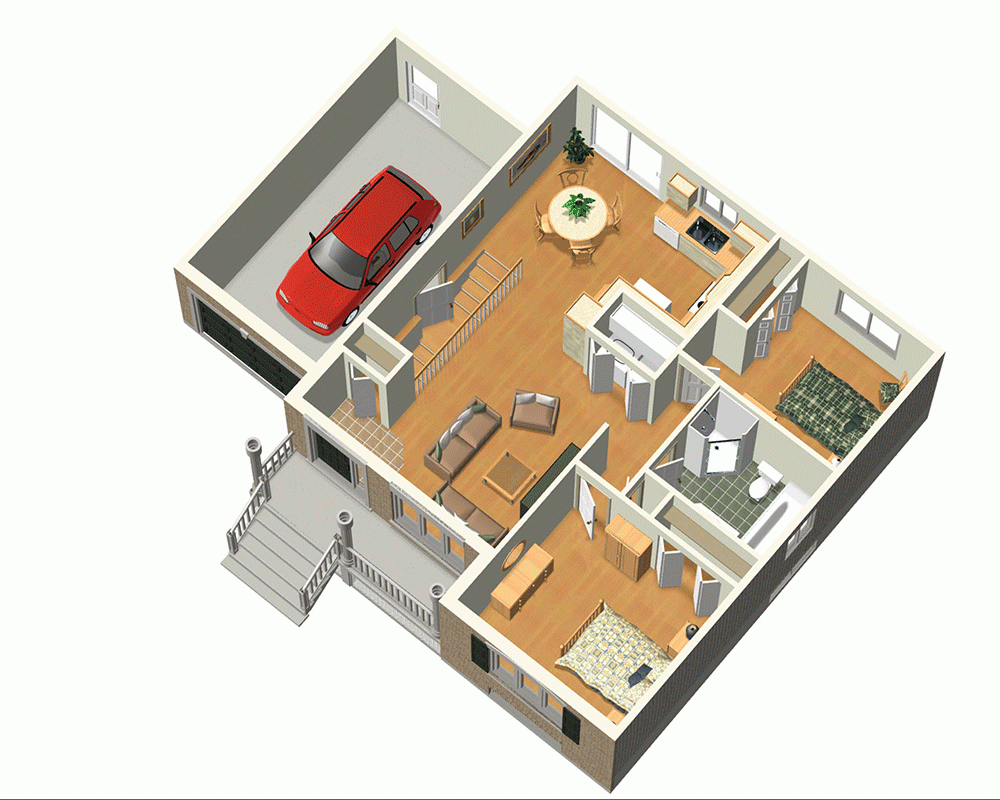
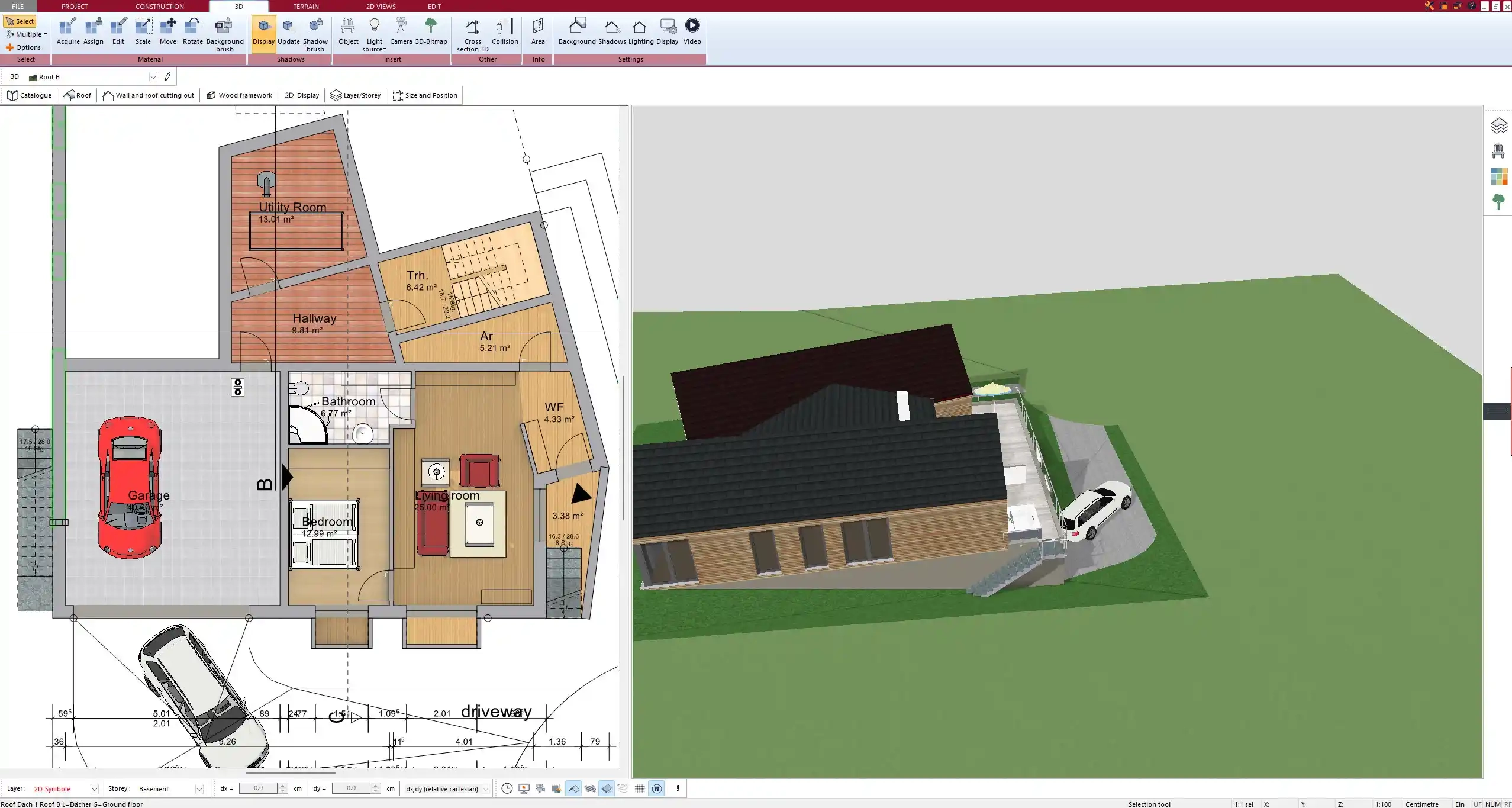
Understanding How To Design A Bungalow House Plan is essential for anyone looking to create a cozy and functional living space. Many people search for these plans online to find inspiration and guidance, making the design process smoother and more efficient.
Bungalow house plans are practical tools that simplify the home design journey. They help homeowners visualize their ideas, ensuring that every detail aligns with their lifestyle and preferences, ultimately enhancing productivity and organization in the planning phase.
Practical Uses of How To Design A Bungalow House Plan
When considering How To Design A Bungalow House Plan, it’s important to recognize their versatility. Students often use these plans for architectural projects, while teachers incorporate them into lessons about design principles. This makes learning engaging and hands-on.
Small business owners frequently utilize bungalow plans to create inviting spaces for clients. By having a clear layout, they can optimize their work environment, making it more functional and aesthetically pleasing. This approach saves time and enhances productivity.
Parents also benefit from these plans when designing family-friendly homes. A well-thought-out bungalow layout can include open spaces for children to play while ensuring safety and comfort. This balance is crucial for busy families looking to maximize their living areas.
Creatives, such as artists and writers, find inspiration in bungalow designs. The unique layouts often foster creativity by providing a serene environment that encourages focus. Even in our digital age, the charm of a well-designed bungalow remains appealing.
In conclusion, How To Design A Bungalow House Plan continues to be a valuable resource for various individuals. Its practicality and adaptability ensure that it remains relevant in both traditional and modern contexts, making home design accessible to everyone.